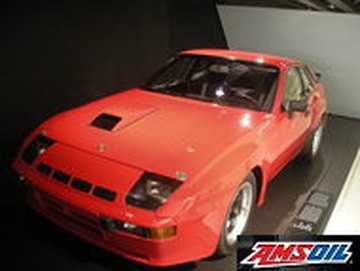
Maintaining Lubrication Integrity for the 1981 Porsche 924 2.0L
Proper engine care for a vehicle like the 1981 Porsche 924 2.0L involves more than just periodic fluid changes; it requires a disciplined approach to monitoring the mechanical health and lubrication requirements of the engine. As these vehicles age, the focus of maintenance often shifts from simple interval-based service to condition-based monitoring. Understanding how to observe the vehicle's needs and responding to subtle changes in operation is essential for long-term ownership.Monitoring Fluid Condition and Potential Seepage
A primary aspect of routine engine oversight is the visual inspection of the engine bay for any signs of fluid movement. For an engine from 1981, it is practical to regularly check for evidence of seepage around various sealing surfaces. Rather than assuming a specific component has failed, owners should look for wetness or residue on the engine block or near mating surfaces where gaskets and seals are located. When performing these inspections, pay close attention to the area around the oil drain plug and the filter mounting area, if an external filter is present. Any accumulation of dark, oily residue can indicate that a seal is beginning to lose its effectiveness due to age or heat cycles. Additionally, checking for any signs of fluid weeping from the top or sides of the engine helps establish whether current maintenance practices are sufficient to keep the engine clean and dry. Beyond just looking for leaks, observing the color and consistency of the oil can provide useful information. While oil naturally darkens over time due to use, an extremely sudden change in appearance or a texture that feels gritty may warrant further investigation. Such observations should be treated as indicators that require closer inspection rather than immediate diagnoses of specific mechanical failures.Observing Operational Indicators
Maintaining a 1981 Porsche 924 2.0L requires an attentive ear and eye during operation. Changes in how the engine sounds or behaves can often be early indicators of lubrication-related issues. For instance, if unusual mechanical noises become audible during startup or while idling, it may suggest that the lubricant is not reaching all necessary components as efficiently as expected. It is also important to monitor for any changes in exhaust characteristics. While many factors can influence exhaust output, certain visual cues might indicate that oil is entering the combustion process. Similarly, if a driver notices an unusual odor that seems related to hot oil, this could be associated with oil contacting external surfaces. Because these symptoms can have multiple underlying causes—ranging from simple seal seepage to more complex internal issues—they should always be investigated by a professional to determine the exact source. If the vehicle is equipped with oil pressure or temperature indicators on the dashboard, these should be monitored closely. Any deviation from the standard operating range of these gauges is a significant signal that the lubrication system requires immediate attention.Prioritizing Maintenance Based on Current Condition
For owners of older vehicles, deciding which maintenance tasks to prioritize can be challenging. Rather than following a rigid schedule based solely on the age of the vehicle, a more effective strategy is to use the current mechanical condition as a guide. This involves reviewing any available service history to understand what has been addressed in the past and identifying what remains unknown. If you are stepping into ownership of a 1981 Porsche 924 where the maintenance history is incomplete, your first priority should be establishing a baseline. This can be done through a thorough inspection of all fluids, belts (if equipped), and hoses. Once a baseline is established, you can move from reactive repairs to proactive monitoring. Prioritize addressing any active signs of concern—such as visible seepage or changes in fluid consumption—before moving on to general preventive tasks. By distinguishing between necessary repairs for active issues and elective maintenance for aging components, an owner can manage the upkeep of the vehicle more efficiently. Keeping a detailed log of every oil change, filter replacement, and observed leak will prove invaluable when making these long-term maintenance decisions.Managing Aging Engine Components
As a 1981 model, certain materials in the engine compartment are subject to the effects of time and thermal cycling. When inspecting the vehicle, it is useful to look at age-sensitive components such as rubber hoses and any accessible drive belts. If equipped, belts should be checked for signs of cracking, glazing, or fraying. Similarly, hoses should be inspected for softness, brittleness, or swelling, which can indicate that the material is no longer performing its intended role in managing fluid or air. Electrical connections and wiring harnesses also benefit from periodic inspection. Ensuring that connectors are clean and free of corrosion helps maintain the integrity of the engine's electrical systems. While these inspections do not guarantee that a part will fail, they allow an owner to identify components that are showing signs of deterioration before they lead to operational interruptions.Effective Record Keeping for Long-Term Ownership
A successful maintenance strategy for the 1981 Porsche 924 2.0L is built on documentation. Maintaining a comprehensive record of all service performed—including the specific products used and the dates of application—allows you to track the behavior of the engine over time. This history makes it much easier to identify patterns, such as how quickly an oil change interval is being reached or whether a particular seal continues to seep despite being addressed. Detailed records also assist when seeking professional service. Providing a technician with a clear history of recent repairs and observed symptoms can significantly speed up the diagnostic process and ensure that the work performed is targeted and accurate.Practical Guidance for Buying Engine Oil for your 1981 Porsche 924 2.0L
When it is time to replenish the engine's lubrication, the most important step is to match the lubricant to the specific requirements of your engine. For this 1981 Porsche 924 2.0L, you must use the vehicle-specific oil viscosity and application information that is displayed on this webpage. Do not rely on general knowledge or assumptions based on the vehicle's age to select a grade. When selecting a product, consider the following:- Verify Application Details: Always cross-reference the product label with the specific viscosity and requirements listed in the application information provided above on this page.
- Evaluate Formulations: Depending on your specific needs, you may choose between conventional, synthetic blend, or full synthetic oils. Some high-mileage oil formulations also contain additives intended for use in aging engines, including seal-conditioning additives.
- Check Quality Standards: Ensure the oil meets the appropriate API certifications to guarantee it provides the necessary level of protection and deposit control.
- Inspect Packaging: Before completing your purchase, double-check that the container matches the exact specifications required for your 2.0L engine.